How To Maintain Permanent Christmas Lights Year-Round
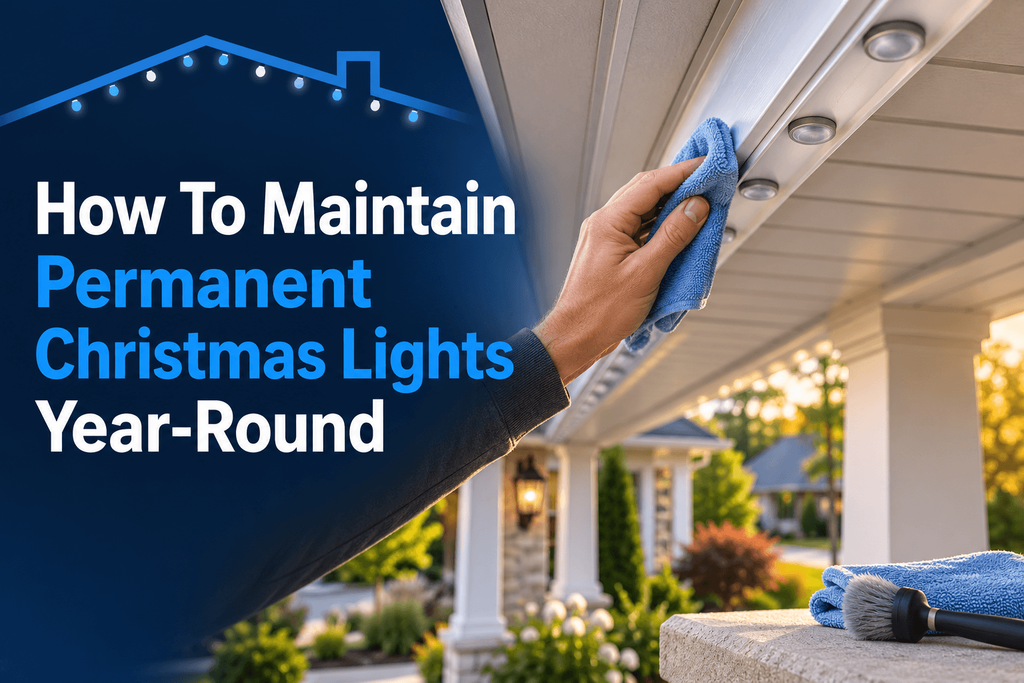
Keeping permanent Christmas lights in good condition involves occasional visual inspections, gentle cleaning when needed, and checks of mounting hardware, wiring, and controls. A manageable routine helps you notice loose sections, debris, or changing light performance before your next gathering or holiday display.
Begin with the care instructions for your particular kit. Use the schedule below as a practical starting point, then account for your home’s exposure to dust, trees, storms, and nearby construction.
How Often Should You Inspect Permanent Christmas Lights?
A seasonal inspection is a useful homeowner routine. Take another look after severe weather, roof repairs, gutter cleaning, or work near the lighting.
Most checks can begin from the ground. Walk around during daylight to inspect the mounting route, then run the lights after dark to check their operation.
| When To Check | What To Review |
| Spring | Debris, displaced channel sections, and visible winter damage |
| Summer | Vegetation, exposed cables, and equipment surroundings |
| Fall | Light operation, saved scenes, and holiday schedules |
| Winter | Visible changes following storms or ice accumulation |
| After Exterior Work | Disturbed wiring, overspray, loose mounts, and equipment access |
This schedule is a recommendation. Follow any inspection requirements supplied with your system.
What Should You Look For During A Visual Inspection?
Start at the controller location and follow the lighting route around the house. Compare anything unusual with photographs taken when the installation was completed.
Look for:
- Channel sections pulling away from the mounting surface.
- Loose covers, end pieces, or fasteners.
- Wires hanging below their original route.
- Cracked housings or damaged cable insulation.
- Branches touching lights or wiring.
- Debris collecting around equipment.
Pay attention to the house itself. Loose fascia, deteriorating soffits, or leaking gutters can affect nearby lighting.
Photograph concerns from a safe location. Arrange professional access for areas that require reaching across roof edges or working above unstable ground.
How Should You Clean The Lights And Aluminum Channel?
Clean accessible surfaces when visible dirt or debris warrants attention. Confirm the approved method with the supplier, particularly for lenses, coatings, and seals.
Disconnect power before handling or cleaning components.
Begin With Gentle Surface Cleaning
A soft, dry cloth can remove loose dust from accessible exterior surfaces. If residue remains, ask the supplier which cleaning solution and method are suitable.
Keep moisture away from electrical equipment and connection points. Allow cleaned components to dry fully before restoring power, following the product instructions.
Protect The Finish And Connections
Avoid abrasive pads, scraping tools, solvents, and pressure washing unless the manufacturer explicitly permits them. Tell exterior-cleaning contractors where the lights, wiring, and controller are located.
Channel covers should only be opened when inspection or service requires it. Follow the specified opening procedure to avoid damaging clips or nearby wiring.
What Maintenance Do Mounting Hardware And Wiring Need?
Inspect the visible mounting points for movement. A section that sags or shifts deserves attention even if its lights still operate.
Check accessible cable routes for rubbing, pinching, or tension around corners. Leave connections assembled during routine visual checks unless the instructions call for further inspection.
If hardware has loosened, identify the cause before refastening it. Damaged mounting material may need repair, and replacement fasteners must suit the channel and surface.
Avoid covering a damaged connection with extra tape as a maintenance shortcut. Ask the supplier for the appropriate repair method and compatible replacement parts.
How Do You Care For The Controller Area?
Keep the equipment location accessible and consistent with the installation requirements. Clear away stored items, leaves, and other material that could obstruct required ventilation or service access.
Check the surrounding area for leaks, irrigation spray, and changes caused by landscaping or building work. Follow the enclosure’s placement instructions.
Inspect external cables and plugs without opening energized equipment. Moisture inside an enclosure, scorching, or a burning smell requires stopping use and obtaining qualified assistance.
Keep your controller model, purchase details, and installation instructions together. Those records make support requests easier.
Which App And Schedule Checks Are Useful?
Run a familiar lighting scene and confirm that each section responds. Check brightness, colors, zones, and scheduled start and stop times.
After changing your router, Wi-Fi password, or phone, verify access to the system before an event. Save screenshots or a supported backup of important settings.
Use instructions that match your controller software. Before installing a supported firmware update, review the procedure and backup requirements.
Schedule checks are especially useful when daylight hours change. Review when you want the display running and confirm that saved settings produce that result.
What Should You Check After A Storm?
Wait until conditions are safe, then inspect from the ground for hanging wires, shifted channel sections, fallen branches, and impact damage.
Leave ice attached to the installation undisturbed. Pulling or striking it could stress the lights, wiring, or mounting surface.
If electrical equipment appears wet or damaged, keep the system off until it has been assessed. Avoid repeatedly powering it to see if the problem clears.
Document the affected area and note when the issue appeared. These details help support staff identify the next step.
How Can You Prepare For Holiday Use?
Test the display before the week you plan to use it heavily. Allow time to obtain parts or schedule help.
Run solid colors and your usual effects, watching for:
- Lights that remain dark.
- Unexpected colors.
- Flickering in a particular section.
- Inconsistent response to controls.
- Schedules that fail to activate.
Record the location and behavior of any problem. Routine maintenance can identify symptoms; repairs may require a separate troubleshooting process.
Frequently Asked Questions
Should You Remove Permanent Lights During The Off-Season?
Follow the intended use of your system. Year-round installations generally remain mounted between holidays. Inspect them periodically and follow any product-specific storage or shutdown guidance.
Can You Paint Around Installed Lighting?
Plan the work with your painter and lighting supplier. Protect lenses, connections, and equipment from paint and overspray. Confirm any required removal procedure before preparation begins.
Should You Keep Spare Components?
Compatible spare parts may help with future repairs. Ask the supplier which items are useful, and label them with the model and purchase date.
Keep Your Lighting Ready For The Next Season
A consistent routine of visual checks, appropriate cleaning, and control testing makes ongoing care manageable. Keep records of changes and address visible damage promptly. If you need help identifying parts or reviewing a maintenance concern, contact ShawTech Lighting with photos and the model details of your permanent Christmas lights.