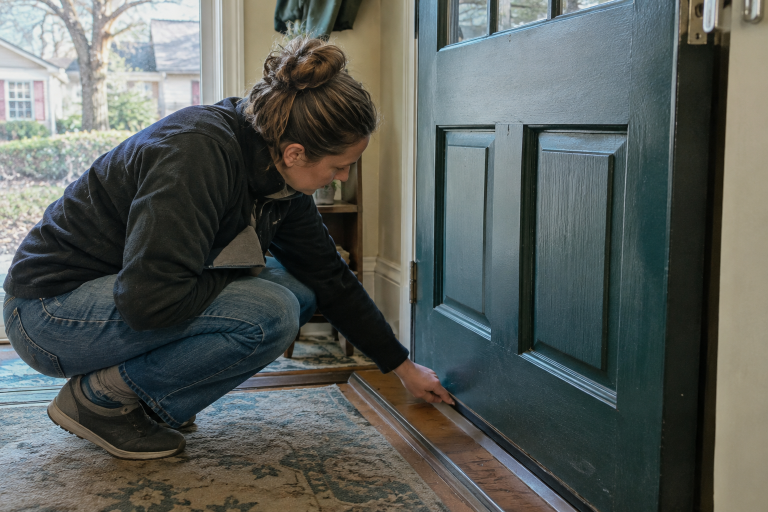
Why Pest Activity Inside a Dental Practice Is One of the Hardest Compliance Problems to Quietly Fix

Running a dental practice means maintaining extremely high standards of hygiene, safety, and patient confidence. Most patients assume that a dental clinic is one of the cleanest environments they will enter. For that reason, even a small issue, such as pest activity, can become a surprisingly complex compliance challenge.
Patients searching online for a dentist near me often judge a clinic based on professionalism, cleanliness, and reputation before even booking an appointment. Because expectations are so high in healthcare settings, the presence of pests can quickly damage patient trust and raise concerns about hygiene standards.
Unlike many other businesses, dental clinics operate under strict health and sanitation regulations. If pests appear in treatment rooms, storage areas, or even waiting spaces, the issue must be addressed carefully and discreetly. Pest activity in healthcare environments is not just an inconvenience; it is a compliance and reputation challenge that requires careful handling.
Why Dental Practices Face Unique Hygiene Expectations
Dental clinics operate under strict infection-control standards because procedures frequently involve contact with saliva, blood, and specialised instruments. These environments require meticulous sterilisation and hygiene protocols to prevent cross-contamination between patients and staff.
In this context, the presence of pests such as cockroaches, rodents, ants, or flies can quickly raise concerns. These pests can carry bacteria and contaminate surfaces, equipment, and supplies, potentially compromising the sterile environment expected in healthcare settings.
Even if pest activity occurs outside treatment areas, such as in staff kitchens or waste storage rooms, it can still affect compliance standards. The challenge is not just eliminating pests but doing so without interrupting patient appointments or attracting unwanted attention.
Why Pest Problems in Clinics Are Difficult to Handle Quietly
A pest problem in a typical office building can usually be resolved with minimal visibility. Dental clinics, however, are different. Patients spend time in waiting areas and treatment rooms where cleanliness is immediately noticeable. Even a single pest sighting can undermine years of reputation and patient trust.
Healthcare regulators also expect medical environments to maintain effective pest management systems as part of their hygiene and safety policies. For clinic owners, this creates a delicate situation where the problem must be resolved quickly while avoiding unnecessary concern among patients and staff.
Common Pest Issues in Dental Clinics
Despite strict cleaning routines, pests can still find their way into dental practices. The constant movement of patients, deliveries, and waste removal can create opportunities for insects and rodents to enter the building. Areas with moisture or organic waste are particularly attractive.
Some of the most common pest concerns in dental clinics include:
Cockroaches
These pests thrive in warm areas near sinks, drains, and plumbing. They can spread bacteria and contaminate surfaces.
Rodents
Mice and rats can enter through very small gaps in walls or doors. Once inside, they may damage packaging, wiring, and stored supplies.
Flies
Flies are attracted to waste and organic materials and may carry pathogens.
Ants and small insects
Food residues in staff kitchens or break areas can attract ants and other insects.
Because dental clinics contain plumbing infrastructure, storage areas, and waste bins, these environments can unintentionally create favourable conditions for pests if monitoring is not in place.
Why Compliance Makes Pest Issues More Complicated
In healthcare environments, pest management is closely tied to regulatory compliance. Health authorities expect clinics to maintain environments that minimise contamination risks. If pests are detected, the issue must be addressed immediately and documented appropriately.
Ignoring pest activity can lead to several consequences:
- Infection-control concerns
- Compliance warnings from regulators
- Patient complaints or reputational damage
- Possible disruption of clinic operations
Healthcare guidelines emphasise that pest management should be part of a broader environmental health strategy that includes inspections, monitoring, and preventative measures.
The Role of Professional Pest Management
The safest way for a dental clinic to address pest activity is through structured, ongoing pest management. A professional pest control service typically begins with a comprehensive inspection of the property. This inspection identifies entry points, high-risk areas, and environmental factors that may attract pests.
Preventative measures may include:
- Sealing structural gaps around pipes or doors
- Monitoring traps and bait stations
- Improved waste management practices
- Regular inspection schedules
- Targeted treatment in high-risk areas
The objective is not only to eliminate pests but also to reduce the conditions that allow them to return.
Why Reputation Is the Real Risk
For many dental clinics, the biggest concern about pest activity is not the infestation itself but the reputational damage it could cause. Patients place enormous trust in healthcare providers, and even a small issue that raises questions about hygiene can undermine that trust.
Negative comments or complaints related to cleanliness can spread quickly through reviews or word of mouth. For clinics operating in competitive healthcare markets, maintaining patient confidence is essential.
Building a Prevention-First Strategy
The most effective pest management programs focus on prevention rather than emergency treatment. Dental practices can reduce pest risks by adopting several preventative habits:
- Strict waste management and sealed bins
- Regular inspections for early signs of pest activity
- Repairing cracks and entry points in walls or doors
- Encouraging staff to report issues immediately
- Scheduling routine monitoring by licensed pest professionals
These measures help ensure pest activity is identified early and addressed before it becomes a visible issue.
Conclusion
Pest activity inside a dental clinic is not just a maintenance issue; it is a compliance, hygiene, and reputation challenge. Because dental practices operate under strict infection-control standards, even minor pest problems must be handled quickly and discreetly.
Maintaining a pest-free environment protects patient safety, regulatory compliance, and the long-term reputation of the practice. Proactive prevention and professional monitoring are the most reliable ways to ensure that patients experience the clean and safe healthcare environment they expect.
FAQs
1. Why is pest control important in dental clinics?
Pest control helps maintain hygiene, prevents contamination, and ensures compliance with healthcare regulations that require safe clinical environments.
2. What pests are most common in dental practices?
Common pests include cockroaches, ants, flies, and rodents, which are attracted to moisture, waste areas, and food residues.
3. Can pest treatments be safely used in a dental clinic?
Yes. Professional pest technicians use targeted treatments designed to be safe for healthcare environments and sensitive equipment.
4. How often should dental clinics schedule pest inspections?
Most clinics benefit from quarterly inspections, although high-traffic practices may require more frequent monitoring.
5. Can pest problems damage a dental clinic’s reputation?
Yes. Even a single pest sighting can undermine patient confidence and lead to negative reviews or complaints.
6. What should a clinic do if pests are detected?
The clinic should contact a professional pest control service immediately to inspect the property, identify the source, and implement preventative measures.